
S-100 Implementation Planning for the South-West Pacific
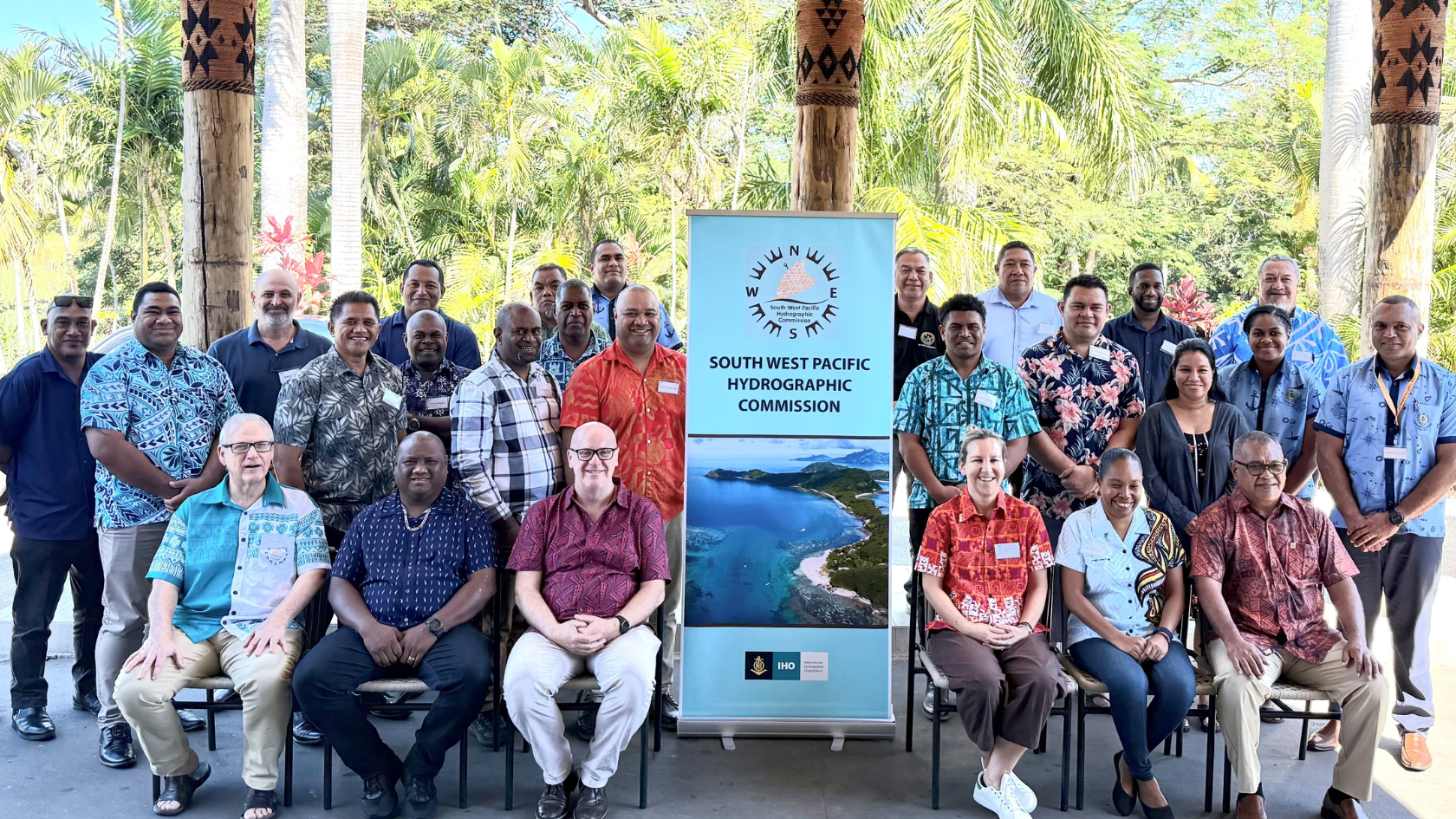
IIC Technologies' Jonathan Pritchard assisted in the conduct of an S-100 Implementation, Maintenance and Benefits Realisation Plan (SIMBRP) workshop this week, attended by 24 participants representing 13 Pacific Island Countries and hosted in Fiji.
The Case for S-100 in the South-West Pacific
Over the past decade, the International Hydrographic Organization (IHO) has developed a new generation of maritime data standards known as S-100. This standard allows for much richer and more dynamic maritime information and products, going well beyond the basic electronic charts many vessels use today for safe navigation. Through the South-West Pacific Hydrographic Commission (SWPHC), the region is planning to bring these new products to its member states — but doing so requires a clear understanding of what the region actually needs, where the priorities should be, and how to ensure that every country benefits equitably.
A Coordinated, Needs-Based Approach
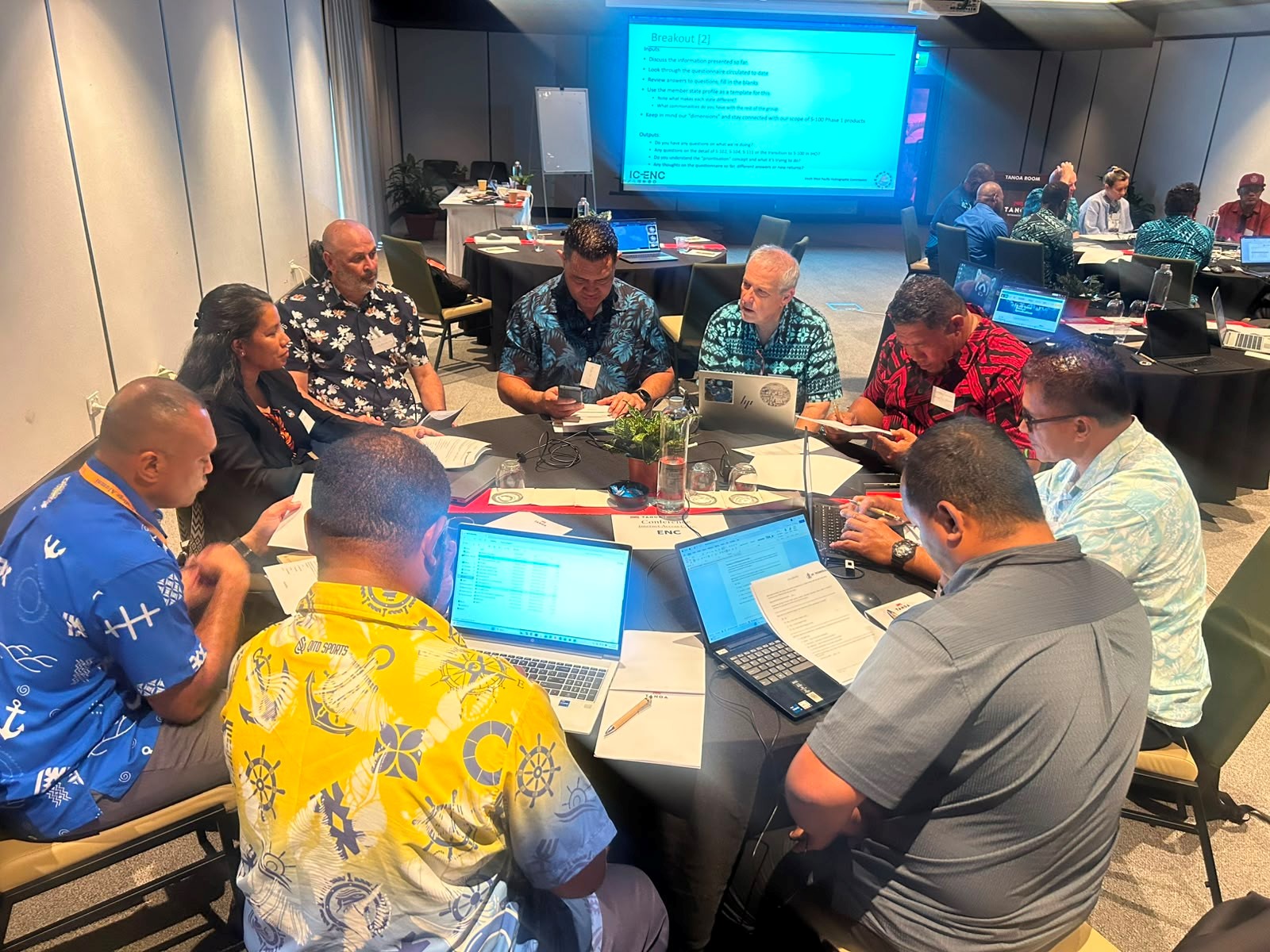
Funded by IC-ENC, led by the SWPHC's S-100 Coordinator and supported by the Fiji Hydrographic Service, Australian Hydrographic Office, Toitū Te Whenua Land Information New Zealand, and IIC Technologies, the SWPHC is developing the SIMBRP as a coordinated, evidence-based plan that will set clear priorities for S-100 implementation across the region based on safety, operational and economic evidence — with the goal that no country is left behind.
The workshop program included:
- Analysis of pre-workshop questionnaire responses
- Assessment of current regional baseline data
- Understanding challenges and identifying opportunities
- Identifying regional priorities
- Developing a regional vision for S-100 implementation
What Comes Next
Following the workshop, a first SIMBRP will be produced - a practical, evidence-based plan that will guide the implementation of S-100 products across the region.
This workshop is considered amongst the first of its kind globally and a model that can be applied in other IHO regions that have similar requirements for a supported and coordinated approach to understanding and embarking on the S-100 transition journey.
IIC Technologies extends its thanks to Verena Bosselmann-Borsos, Robert Cario, Stuart Caie and Jonathan Pritchard for their contributions to this important work.

